Sleep is highly essential to our body and mind. In the absence of a good sleep, individuals are restless, stressed and weak. Sleeping is a problem for many individuals in the UK. There are those who are unable to fall asleep, and others who wake up at mid-night. Sleeping pills would work with such people. Sleeping pills are medicines that aid the individual to sleep better. They relax the mind and body thus it is easier to fall or sleep. This blog will include the discussion of the most popular sleeping pills in the UK, their modes of working, and what one ought to know before taking them.
What Are Sleeping Pills?
Sleeping pills refer to drugs that are taken to deal with insomnia. Insomnia refers to the inability of people to sleep or even the failure of people to sleep properly. The use of sleeping pills aids in relaxation of the body and the calming of the brain. They facilitate falling asleep and in some cases make people fall asleep longer. The sleeping pills in the UK can be purchased with a prescription from the doctor or without it in a pharmacy. Sleeping pills are normally prescribed when there are no other ways to take such as modifying sleeping habits. So one must adhere to the prescriptions of the doctor in order to prevent side effects.
Benzodiazepines
One of the most used sleeping pills in the UK is benzodiazepines. The pills are normally prescribed in the short term for sleeping issues. Temazepam, Diazepam, and Lorazepam are some of the commonly used benzodiazepines. The mode of action of these medicines is by relaxing the brain and slowing the activity in the brain. This aids human beings in falling asleep. They are generally powerful and fast acting. However, sustained use may lead to dependence; such that the body will require an increase in medication to achieve the same effect. The benzodiazepines are normally used in temporary use e.g. a few days or a few weeks.
Non-Benzodiazepine Sleep Aids (Z-Drugs)
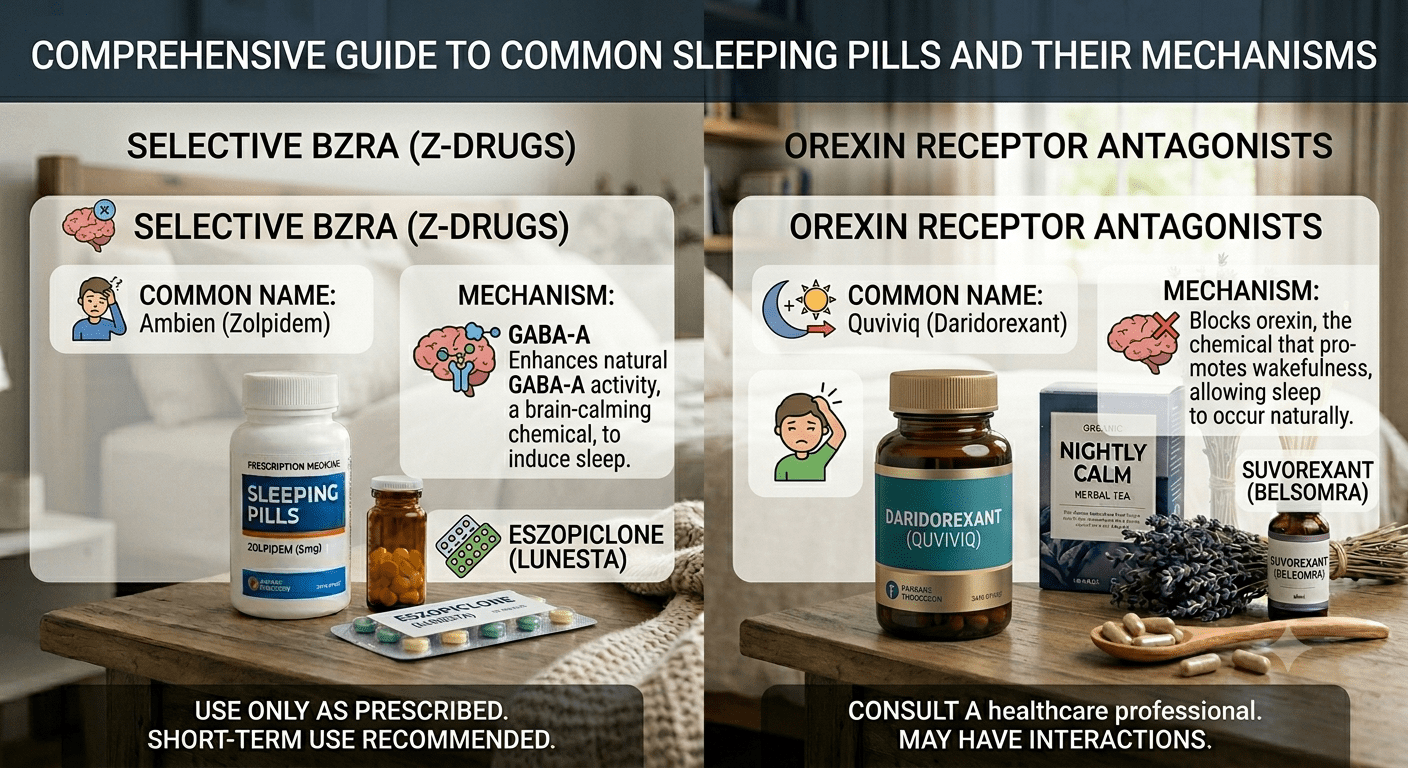
The non-benzodiazepine sleeping pills are also referred to as Z-drugs. These are extremely common in the UK. They are also favoured as they have fewer side effects as compared to benzodiazepines. Examples of popular Z-drugs are Zolpidem (Stilnox), Zaleplon and Eszopiclone. These pills facilitate one to fall asleep easily and in some cases, to fall asleep longer. They act by influencing sleeplike chemicals in the brain. Z-drugs often are safe in the short term. They can however make the next day drowsy or in some individuals dizziness.
Melatonin Receptor Agonists
Melatonin is a natural hormone that controls the wake and sleep cycle in the body. Certain sleeping pills imitate melatonin in order to make people sleep. In the UK, Ramelteon is an example, though it is not as commonly used as other pills. These drugs are mild and they do not most of the time give dependence. These are mostly useful among individuals who have difficulties falling asleep during the usual bedtime. These pills are not as quick-acting as other sleeping pills, and they are safe in the long term.
Antihistamines
There are sleeping pills that use antihistamines, which are typically used in the treatment of allergies. Promethazine and Diphenhydramine are sometimes used as sleeping agents in the UK. Antihistamines take the form of making people sleepy and falling asleep. They can be some of those that are sold over the counter as such individuals can purchase them without a prescription. However, it can also be associated with such side effects as dry mouth, dizziness, and confusion on the following day. They are not normally used in the long-term as they are likely to lose their effectiveness after some time.
Orexin Receptor Antagonists
Orexin is a brain chemical that keeps people awake. There is a category of newer sleeping pills that block orexin to make people sleep. Suvorexant is one example of orexin receptor antagonists in the UK. These pills are assisting people to have a long sleep but they do not lead to intense drowsiness in the morning. They are newer than other sleeping pills; hence, physicians can use them in cases where other medications prove to be ineffective. Side effects such as mild headache or feeling light-drowsy may occur, however in rare cases when misused, then there are serious risks.
How Sleeping Pills Work
The action of sleeping pills is by working on both the body and brain. Some accelerate chemicals that relax the brain and others block chemicals that alert human beings. Most of the sleeping pills begin to act in 30 minutes to 1 hour when the correct time is concerned. There are pills that can make people sleep through the night and pills that are proposed to solve the short-term sleeping issues. Physicians in the UK never recommend against the use of sleeping pills. An excess of it or in an inappropriate manner can be risky and even lead to severe health conditions.
Who Needs Sleeping Pills?
Sleeping pills are not a necessity to all. They often are applied to individuals who experience sleep issues either on a weeks or months basis. They might be required when a person has problems falling to sleep or when he or she falls asleep earlier than usual, as well as when he or she feels sleepy throughout the day. Physicians often prescribe the non-medical ways first. These involve sleeping well, giving up caffeine and relaxation. Sleeping pills serve as an option for failure of other methods.
Benefits of Sleeping Pills
Sleeping pills are quite useful when taken in moderation. They enable individuals to sleep much faster, sleep longer and even rise with a sense of health. Sleep enhances mood, memory and energy levels. The best advantages can be gained by people that have serious sleeping disturbances or sleep temporarily. Poor sleep and the stress can also be eased by sleeping pills and this can enhance the quality of life.
Risks and Side Effects
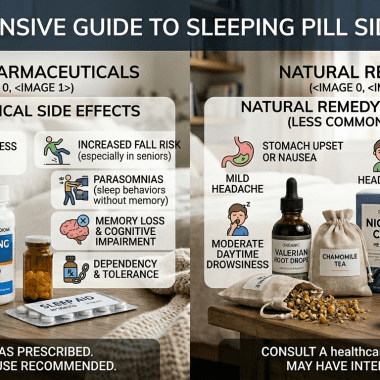
Sleeping drugs have side effects, particularly when taking it over a long period or in wrong dosages. Drowsiness during the day, dizziness, headaches, nausea, and memory issues are some of the common side effects. Long term use may cause dependence or addiction. Other sleeping pills will cause abnormal behaviours at the time of sleep including sleepwalking or talking. One should take a lot of care and not combine sleeping pills with any other drug or alcohol as advised by the doctor.
Tips for Safe Use
In order to use sleeping pills safely, one should never grab them incorrectly. One should not drive or use the machines after taking them as they might make one feel sleepy. Don’t use them with alcohol and other drugs. Whenever possible, sleeping pills should get used on a short-term basis. They can be enhanced by adding good sleeping habits. Some of the healthy habits are sleeping in bed at the same time every night, making the bedroom dark with no noise, and not taking caffeine before going to sleep.
Natural Alternatives to Sleeping Pills
It is not universal that they would like to have some medicine to sleep. One can naturally improve sleep. One can go to sleep at the same time every night, not eat a lot before sleep, and employ certain relaxation techniques. To relax the mind, this can be done by taking a few deep breaths or by doing some mild stretching in bed. These techniques are effective and also do not cause any side effects. Sleeping pills may be offered as a last alternative in case of the failure of natural ways. Still, it is not suggested to use them constantly.
When to See a Doctor
Sleep problems should also be addressed to a doctor in case they take longer than a few weeks. Constant insomnia may be an indication of other illnesses. A physician may prescribe the appropriate drug or treatment. They can also screen diseases such as anxiety, depression or sleep apnea. Successful consultation at the beginning of therapy guarantees safe therapy and minimises long-term issues.
Conclusion
Pills that aid people with sleeping can be used. All types have their own mode of working, and advantages and liabilities. The sleeping pills enhance the quality of sleep when taken with the right dosage and in a short period, and people feel sleepy. However, one has to keep healthy sleeping patterns. Without sleep, a healthy body could not be healthy, and so would the mind; nor could healthy way of living be.
FAQs
1. Are sleeping pills safe to all people?
No. Individuals who have specific health issues or use other medication are supposed to consult a physician.
2. Can one get addicted to sleeping pills?
Yes. In the long term, the benzodiazepine drugs and even Z-drug may lead to dependence.
3. Is it possible to take sleeping pills in combination with alcohol?
No. Alcohol does not help in any type of productivity, they have side effects.