
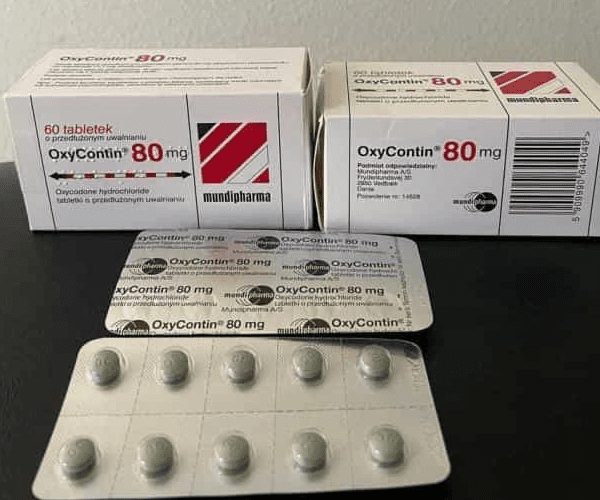


Oxycodone is a strong pain relief drug that is used in the treatment of severe pain. It is one of a family of medicines termed opioids. What makes doctors prescribe it is when normal painkillers, such as paracetamol or ibuprofen, are too low. It is commonly administered following surgery, severe injuries or long-term chronic severe pain management. Oxycodone has an effect by altering brain and nerve pain sensations. It does not make the pain go away but makes it much lighter and easier to handle. It may also cause one to become relaxed or calm. This drug is provided by prescription only. This medicine should not be used without a doctor’s prescription as it is very potent and may have side effects on the body.
Why Doctors Prescribe Oxycodone
Oxycodone is prescribed by doctors when the pain is very intense and no other treatment options prove to be effective. It is not used in the case of normal or small pain. It is mostly applied in severe medical cases. Pain after surgery, cancer pain, severe injury pain or chronic pain where other medicines are ineffective are some of the common cases. Prior to administration of oxycodone, doctors will always administer the safer painkillers. The overall purpose is to make everyday life better through the alleviation of intense pain. It is not supposed to ensure that the pain is totally eliminated but to help the patient in order to cope with it.
How Oxycodone Is Taken
Oxycodone is typically in the form of tablets or capsules. Others absorb medicine gradually over a period, whereas others are fast, and are used to treat pain on short notice. A physician provides clear instructions of how and when to take it. Usually, it is consumed by water. Other individuals can take it together with food assuming it will alleviate stomach pains.
Precaution to take the exact dosage provided by the doctor is very important. Overdosing may be hazardous. Less taking might not put the pain in control. The patients also must not self medicate their own doses.
Common Side Effects of Oxycodone
Oxycodone also leads to side effects particularly when an individual begins to use them. In most cases, these side effects are mild or moderate. The frequent adverse effects are sleepiness, dizziness, nausea, and vomiting, dry mouth, and sweating, as well as constipation. Such effects are rather usual as the body is adapting to the medicine.
One of the most typical complications is constipation and it may persist throughout treatment. Doctors can recommend increased intake of water or mild laxatives to the rescue. The side effects often ease away with time, but when they prove to be severe, then one should seek medical counsel.
Critical Risks and Safety Concerns
Oxycodone is a very potent drug thus when it is not used properly it can increase harmful effects. Slow breathing is one of the significant risks. Excessive consumption might result in deep breathing, which is unsafe. Dependence is another risk. This means that the body will begin to become accustomed to the medicine. With time, an individual might end up thinking he or she needs it to be normal. That is the reason why physicians pay close attention to patients.
The danger of tolerance also exists, in which the identical dose ceases to be effective. Without control by a doctor, this may result in unsafe dose increments. The use of oxycodone should also not be mixed with alcohol or any other potent sedatives as this all is very dangerous.
Dependence and Withdrawal
When oxycodone is taken regularly, the body would get dependent on it. This is not something that is common to all, but this is one of the known risks of opioid medicines. When an individual stops this suddenly, he or she can lead to withdrawal symptoms. These may involve anxiety coupled with restlessness, anxiety, muscle pain, stomach cramps and sleeping difficulties.
This makes doctors decrease the dose gradually rather than abruptly. This allows the body to adapt safely and minimises withdrawal symptoms. Medical advice should always be followed by patients who stop using this medicine.
UK Rules Around Oxycodone
Oxycodone is a controlled drug in the UK. This means that it is highly controlled by the law. It should not be freely purchased but be prescribed by a licensed doctor. Pharmacies have lots of rules on administering it to patients. Typically, only a small dose is administered at a time to be safe. Oxycodone is prohibited without a prescription. It is also dangerous to disclose it to other persons, even when they are experiencing the same pain. These regulations exist to safeguard health and stop abuse.
Safe Use Tips for Patients
Safe use is of great importance when oxycodone is prescribed by a doctor. The medicine must always be taken as prescribed to the patient. On their own, they should not raise or lower the dose. One should also avoid alcohol while taking this medicine. The alcohol can increase the side effects and cause the medicine to be more harmful. Machines and driving should not be done when an individual is sleepy or when he or she feels dizzy. The storage place of the medicine must be safe and inaccessible to the children. Continuous medical examinations during the taking of medicine are also important to ensure that they are safe.
Alternatives to Oxycodone for Pain Relief
Oxycodone is used as a source of pain relief only after doctors have exhausted other treatments. Available options are numerous and safe according to the type of pain. Paracetamol or ibuprofen can often treat mild pain. In muscle or joint pain, physiotherapy or exercise is beneficial. Discomfort can be also alleviated by heat or cold therapy. In a few, nerve medication or modification of the lifestyle can be helpful. The use of strong opioids may not be necessary as doctors can use various treatments together to enhance the outcomes. These options are better when it could be used as the risks are reduced.
When to Seek Medical Help
When pain turns much more serious, or does not react to treatment, it is suggested to address medical help. Assistance should also be sought when there are severe or abnormal side effects. The symptoms which include very slow breathing, excessive sleepiness, confusion or failure to keep awake should be resolved as soon as possible. These can be acute and they cannot be ignored.
A doctor should also be consulted in the case where this medicine ceases to perform or the patient feels less effective with time. Adjustment of treatment may be assisted with proper guidance.
Final Thoughts
Oxycodone is a highly potent pain relief drug that is used in severe pain only. With an appropriate use closely monitored by a doctor, it may help. However, it has its threats, such as side effects, dependence, and safety issues. Due to these risks, it is very tightly regulated in the UK and has to be prescribed only. Medical advice, learning to use safely, and frequency of monitoring are extremely crucial to treatment. The idea should be to handle the pain carefully and safer options are usually considered first, before strong opioids can be used.
FAQs
Q1: What is oxycodone used for?
It is used to treat severe pain when other pain medicines do not work.
Q2: Is oxycodone a strong pain medicine?
Yes, it is a strong opioid medicine used for serious pain.
Q3: Do I need a prescription for oxycodone in the UK?
Yes, a doctor’s prescription is required in the UK.
Related Products


- 100% Genuine Medication.
- Brand Depends on availability.
- Fast Delivery.





- 100% Genuine Medication.
- Brand Depends on availability.
- Fast Delivery.
Reviews
There are no reviews yet.